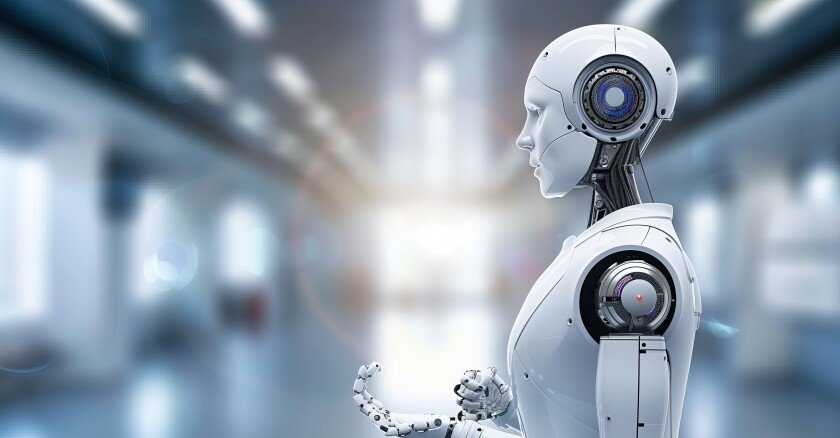
A new partnership between Microsoft and Hexagon Robotics signals that humanoid robots are no longer just research projects or flashy tech demos. By combining Microsoft’s cloud and AI platforms with Hexagon’s robotics, sensors, and spatial intelligence, the two companies are pushing physical AI into real industrial environments. At the center of this effort is AEON, Hexagon’s humanoid robot built to operate in factories, logistics hubs, engineering plants, and inspection sites with a high degree of autonomy.
The goal is not just to build smarter robots, but to make them usable at scale. By training AEON using multimodal data, imitation learning, and real-time cloud connectivity, Microsoft and Hexagon are laying the groundwork for humanoid robots that can plug directly into modern industrial operations.
Humanoid robots leave the lab
Over the last few years, humanoid robots have moved from controlled research settings into real workplaces. Advances in perception, reinforcement learning, and cloud computing have made it possible for robots to understand complex environments and learn tasks through observation.
Agility Robotics’ Digit is already working in logistics environments, including pilot programs at Amazon where it handles repetitive and physically demanding tasks. Tesla’s Optimus robots are being trialed inside its factories, moving parts and transporting equipment in structured workflows. These machines look human for a reason: they are designed to operate in spaces built for people, using the same doors, stairs, and tools.
Inspection and hazardous work lead the way
Some of the earliest commercial value is emerging in inspection and hazardous environments. Boston Dynamics’ Atlas has been tested in disaster response and industrial inspection, navigating uneven terrain and manipulating tools where humans face safety risks. Toyota has also deployed humanoid platforms for remote inspection, combining multimodal perception with human oversight.
Hexagon’s AEON fits neatly into this trend. Its strength lies in sensor fusion and spatial awareness, which are critical for quality checks, safety inspections, and maintenance tasks where understanding the physical environment matters more than conversational AI.
Why the cloud matters
What makes this new wave of robotics different is the role of the cloud. Humanoid robots generate enormous amounts of data, from video and LIDAR scans to force feedback and operational telemetry. By connecting robots to platforms like Azure and Azure IoT, companies can train and update entire fleets at once, rather than managing each machine in isolation.
This turns robots into something closer to enterprise software: continuously improving, centrally managed, and easier to scale. For large organizations, that shift makes humanoid robots far more attractive from an IT and operations perspective.
Labour shortages accelerate adoption
Manufacturing and logistics are facing growing labour shortages driven by ageing workforces and declining interest in physically demanding roles. Traditional industrial robots handle fixed, repetitive tasks well, but struggle in environments designed for humans.
Humanoid robots fill the gap by working alongside people without requiring entire facilities to be rebuilt. Early deployments show value in night shifts, peak-demand periods, and jobs that are dangerous or exhausting for human workers.
What leaders should think about
Early deployments suggest that success depends more on clearly defined tasks than on general intelligence. Data governance and security are also critical, especially when robots are connected to cloud platforms. Just as important is how these machines are introduced to the workforce, since human oversight remains essential for safety, compliance, and trust.
A slow but permanent shift
Humanoid robots are not about to replace human workers, but they are starting to prove their economic value in real environments. As companies like Microsoft and Hexagon connect physical robots to cloud-scale intelligence, the question for business leaders is no longer whether humanoid robots will enter the workplace, but how soon competitors will make them part of their operations.