A new category of AI tools is emerging—ones that don’t just assist users, but actively take action on their behalf. These systems are designed to manage everyday digital tasks, reducing the constant friction of small, repetitive work.
Instead of prompting an AI for help step-by-step, users can now deploy agents that operate continuously in the background, handling workflows across multiple applications.
Lowering the barrier to building software
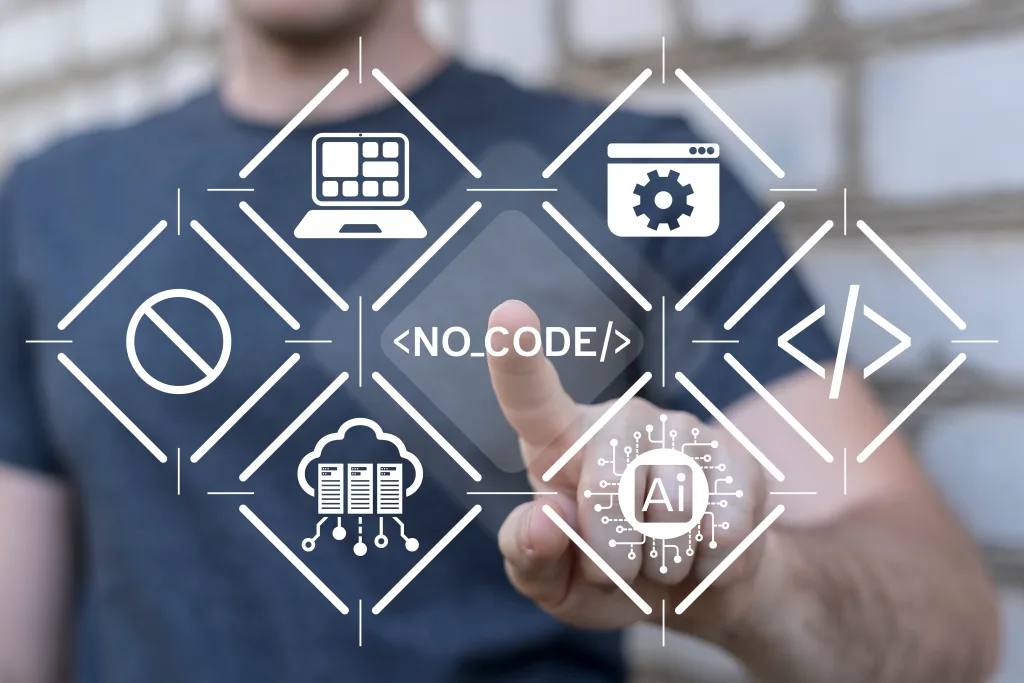
One of the biggest promises of this approach is accessibility. Platforms like Wingman are designed for non-technical users, allowing entrepreneurs and individuals to create applications simply by describing what they want.
This represents a broader movement toward empowering “citizen developers”—people who may not know how to code but still need software tailored to their workflows. By abstracting away technical complexity, these platforms make application development far more approachable.
From assistants to autonomous teams
Unlike traditional AI assistants, these systems can function more like a coordinated team. Users can deploy multiple agents simultaneously, each responsible for different tasks, all operating without constant supervision.
This shift changes how productivity is approached. Instead of manually managing tools, users define outcomes and let AI systems execute the steps required to achieve them.
Built-in guardrails for control
Despite their autonomy, these systems introduce structured boundaries to maintain user control. Certain actions—like modifying data or sending communications—require explicit approval before execution.
These “trust boundaries” help balance automation with oversight, ensuring that critical or sensitive actions are not performed without human confirmation.
Deep integration with everyday tools
A key advantage of these platforms is their ability to interact directly with widely used applications. Messaging platforms, email, calendars, development tools, and CRM systems can all be connected into a single workflow.
This allows AI agents to operate within the same ecosystem users already rely on, eliminating the need to switch between tools or manually transfer information.
No-code infrastructure behind the scenes
Much of the complexity involved in integrating applications—such as APIs, authentication, and data exchange—is handled behind the scenes. Users don’t need to understand how these systems work technically to benefit from them.
This invisible infrastructure is what enables the “just describe it” experience, where ideas can be translated into functioning software without traditional development processes.
Personalization and flexibility
These systems also allow for customization in how they interact with users and others. Responses can be adjusted in tone and behavior, making the AI feel more like a trusted operator rather than a rigid tool.
Additionally, users can choose between different underlying AI models depending on cost, performance, or preference, adding another layer of flexibility.
The reality behind AI-generated software
While the promise is compelling, there are still important limitations. Software generated by AI is often built by recombining patterns learned from existing code, which can lead to inconsistencies or hidden issues.
For simple tasks or internal tools, this may be sufficient. However, deploying these applications in more critical environments raises concerns around security, reliability, and long-term maintainability.
A gap between convenience and robustness
There is still a clear distinction between AI-generated applications and software built by experienced engineers. Professional-grade systems require rigorous testing, security validation, and structured design—areas where autonomous tools are still evolving.
For now, these platforms are best suited for lightweight use cases, rapid prototyping, or personal productivity enhancements rather than mission-critical deployments.
A glimpse into the future of work
Even with current limitations, the direction is clear. AI is moving beyond being a passive tool and becoming an active participant in daily workflows.
As these systems improve, they have the potential to fundamentally change how individuals and businesses approach productivity—shifting from manual task management to outcome-driven automation.
Source: https://www.artificialintelligence-news.com/news/citizen-developers-now-have-their-own-wingman/